


Whether you are writing a letter to a partner, reflecting on a lifelong friendship, or even practicing self-love, these six words offer a beautiful framework. They remind us that the best kind of love isn't just a moment in time—it is the whole clock.
Every great story has a beginning. Te quise (I loved you) acknowledges the past. It honors the initial spark, the shared history, and the foundation upon which everything else was built. In a world that often encourages us to "move on" and forget, this phrase insists on remembering. It validates that the time spent together was meaningful and that the past is a vital part of the present. 2. Te Quiero: The Strength of the Now te_quise_te_quiero_te_querre
The Eternal Present: Understanding "Te Quise, Te Quiero, Te Querré" Whether you are writing a letter to a
This famous Spanish phrase, (I loved you, I love you, I will love you), serves as a powerful foundation for a blog post about timeless devotion. Te quise (I loved you) acknowledges the past
It is more than just a romantic line; it is a linguistic triptych that covers the entirety of a person’s timeline. It suggests that love isn't a fleeting moment, but a permanent state of being. 1. Te Quise: The Root of Memory
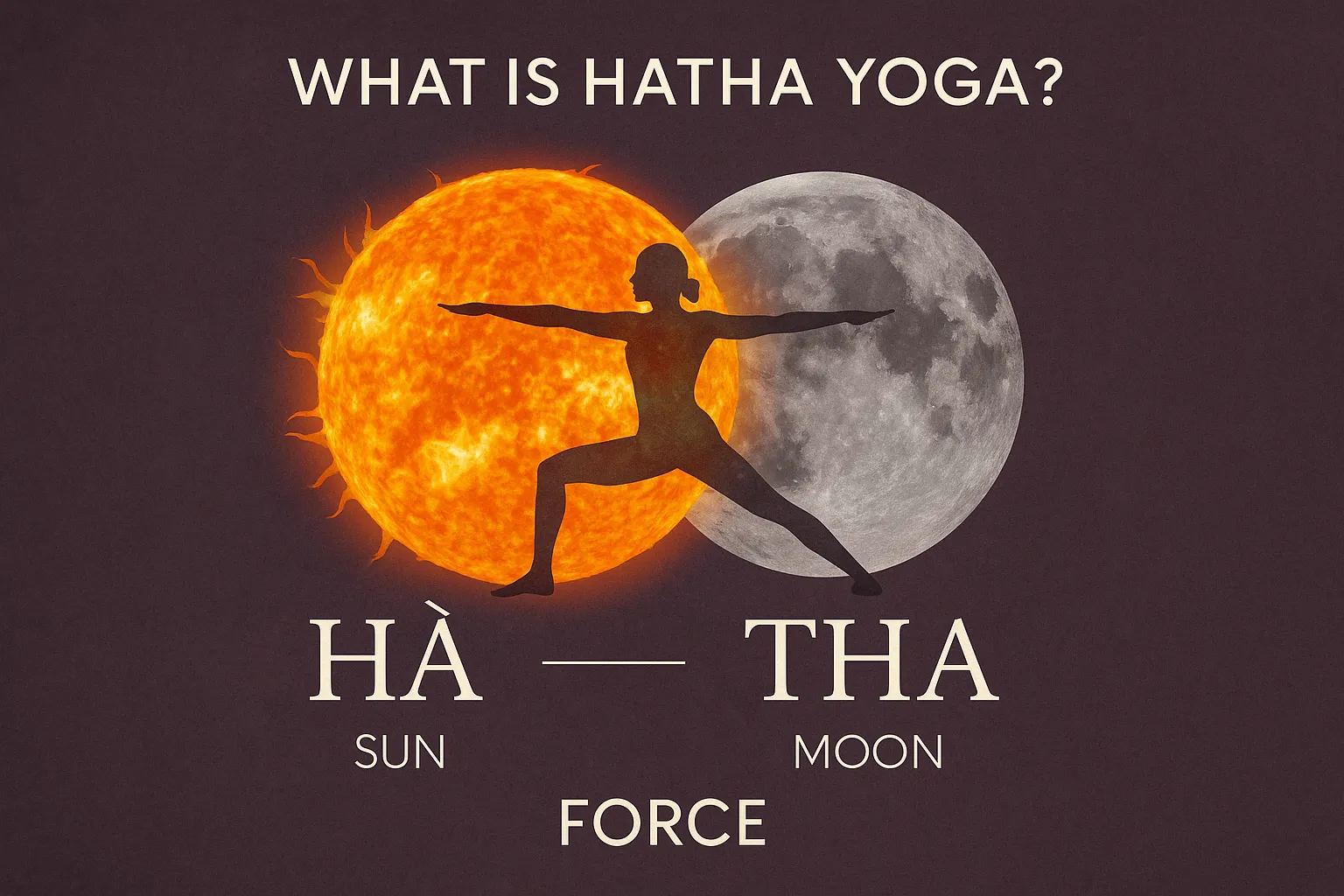
Discover the meaning of Hatha yoga, its ancient origins in India, and how this traditional practice balances opposing energies for holistic well-being.


You've heard of yin and yang. But have you heard of yin yang yoga? Explore what it is here and then try it out for yourself!

Did you know yoga improves brain health? Learn how yoga helps Alzheimer's and dementia patients live better, healthier lives.


© Copyright 2025 MyYogaTeacher Inc


